

Understanding a realist foreign policy
What is realism and restraint, and how is it different from the status quo?
Realism and restraint in foreign policy are approaches that keep America engaged in the world while asking a basic question: Are our goals clear, achievable, and connected to vital national interests?
A realist strategy does not reject diplomacy, alliances, trade, or military strength. It seeks to use each of those tools more effectively. The goal is to protect America’s security by matching commitments to available resources and avoiding costly overextension.
Why realism is different from the status quo
Realism starts with recognizing that there are certain things about the world that we cannot change.
The United States remains extraordinarily powerful, but it does not have unlimited money, military capacity, or political support. Every commitment abroad requires personnel, equipment, funding, and sustained public backing.
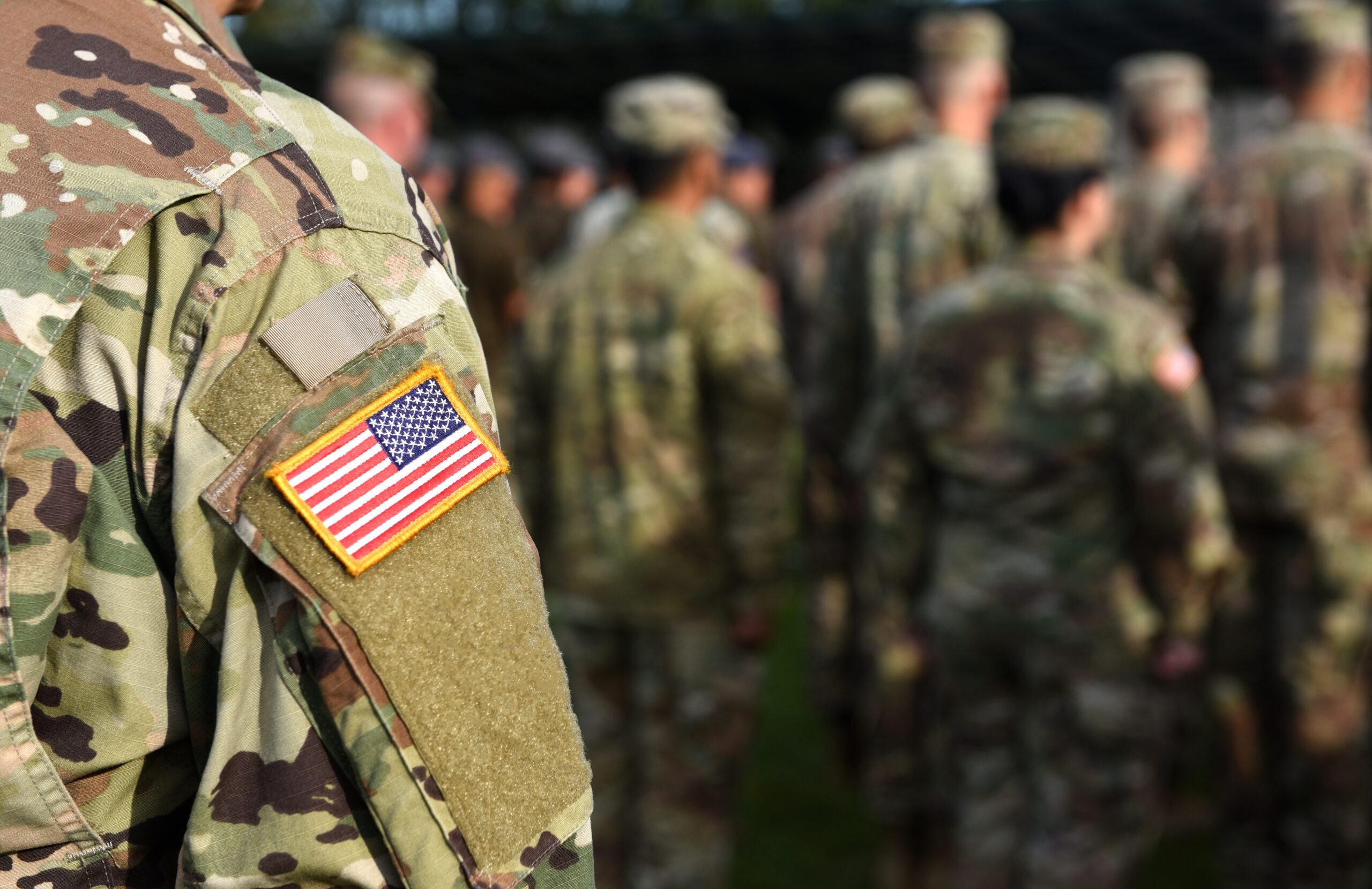
A realist foreign policy recognizes those limits and makes choices. It focuses first on defending the homeland, protecting American prosperity, preserving our system of government, and preventing hostile powers from threatening core U.S. interests.
Restraint supports those goals by avoiding unnecessary wars and open-ended missions.
It does not mean ignoring threats. It means judging them carefully and responding with the right tools to ensure America’s resources aren’t stretched too thin.
This is far different from our current foreign policy.
Right now, our troops are spread thin all over the world, and our munitions are severely depleted due to involvement in foreign conflicts that do not directly benefit America.
We don’t want to pull back from the world completely. We merely seek clear, realistic goals and connections to American interests when our country gets involved.
This is especially important when considering the danger our men and women in uniform face when stationed in conflict zones.
Why restraint is not isolationism
It’s also important that we reject the term “isolationism” completely.
There are few true isolationists in the world, and the term is often used to insult or discredit proponents of restraint.
Instead of seeking isolation, a realist approach like ours remains active abroad but prioritizes where America engages, what it seeks to accomplish, and how much risk it should accept.
This can and does include international partnerships ― as long as they don’t needlessly entangle American interests with those of a foreign country.
Our realism framework emphasizes aligning ends, ways, and means. Put simply, America’s objectives must match the resources and methods available to achieve them.
A realist foreign policy should:
- Defend vital national interests
- Match commitments to available resources
- Use diplomacy alongside military power
- Encourage capable allies to shoulder greater responsibility
- Prioritize military readiness and credible deterrence
This framework also recognizes that military power is only one part of American strength.
Diplomacy can prevent crises and reduce the risk of war. Economic engagement can deepen partnerships and expand U.S. influence. Information sharing can expose aggression and help allies prepare.
War is costly, and no matter how powerful the United States is, policymakers should always be judicious when committing American resources to wage it.
A strong military is still important under the principles of realism and restraint.
But military force should only be used as a last resort. When force is treated as the first or only answer to every challenge, it weakens American readiness for true threats in other theaters by stretching resources too thin.
That is the opposite of strength.
Rethinking foreign policy
For decades, policymakers have expanded U.S. commitments while relying heavily on the military to sustain them. That approach has strained readiness, created long-term obligations, and neglected other tools of influence.
Rethinking foreign policy does not mean turning away from allies or abandoning American leadership. It means looking honestly at our strategic environment and setting priorities.
To rethink American foreign policy:
- Capable allies should take greater responsibility for their own defense
- U.S. forces should focus on threats most directly connected to American security
- Diplomacy and economic engagement should play a larger role in advancing U.S. interests without unnecessarily putting service members in harm’s way
We should do this not only because of the economic and diplomatic costs of war, but also because of the human cost.
War requires sacrifice. When we ask our heroes to make the ultimate sacrifice, it should be in defense of America and its vital interests ― not those of another nation.

A sustainable approach to American foreign policy
Realism preserves American strength by avoiding overextension.
It maintains a military ready to deter aggression and defend vital interests while avoiding vague missions lacking clear goals or realistic endpoints. It asks whether commitments can be sustained long-term before they are made.
It recognizes that American leadership is not measured by the number of countries where U.S. troops are deployed. Leadership means setting clear priorities, keeping credible commitments, and preserving the power needed to confront the most serious threats.
Realism means disciplined engagement with the world, without recklessly committing to defend every corner against potential threats that may arise.
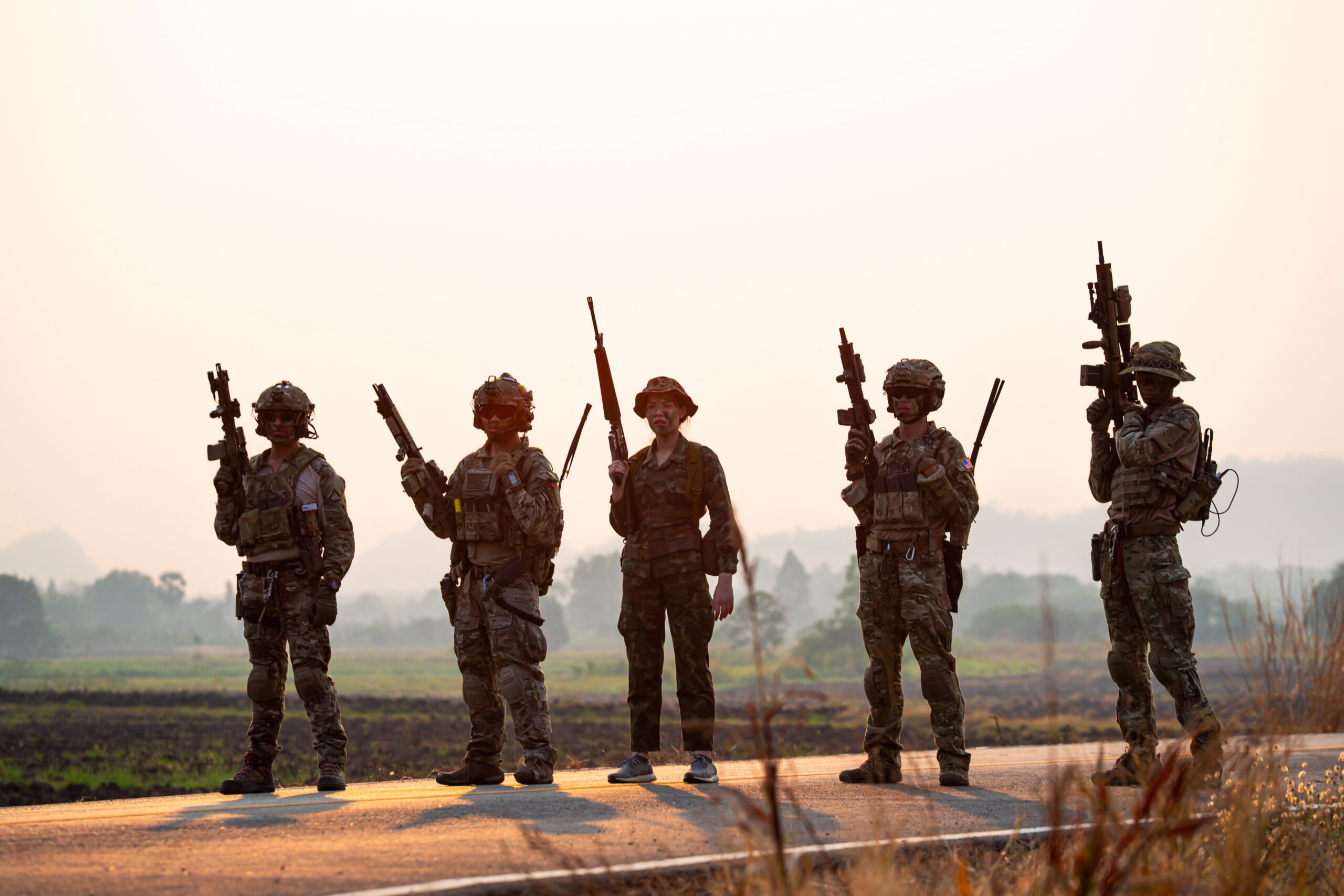
America should remain active, strong, and ready. But it should also use the full range of national power, ask more of capable allies, and reserve military force for situations where vital interests are truly at stake.
Learn more by reading our “Realism in Practice” report.