Rethinking America’s military footprint in the Middle East
For decades, Washington has often treated military presence as the only measure of American influence.
But influence comes in many forms.
As the Pentagon considers whether to rebuild damaged bases in the region, it’s a good time to ask how foundational those bases are to American security.
That’s the argument Matthew MacKenzie makes in a recent Responsible Statecraft analysis of China’s growing role in the Middle East. His piece raises an important question for American foreign policy.
Does the United States really need a sprawling military presence to remain influential in a region?
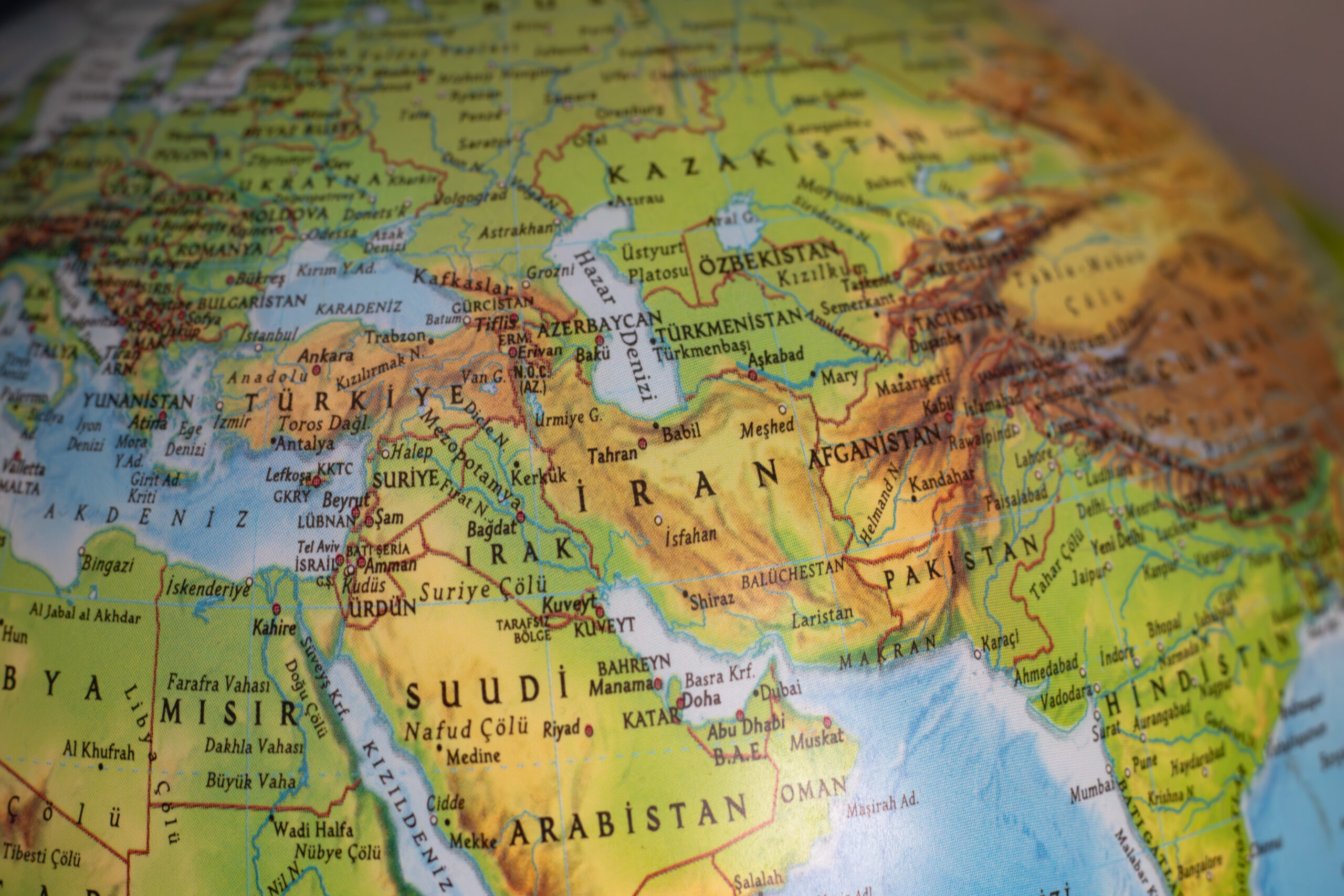
China has quietly been attempting to outsmart the United States in the Middle East without a large military footprint (China has only one military base in the region).
Beijing has spent years building influence across the Middle East through trade, investment, and diplomacy.
MacKenzie points to China’s growing trade with Arab states, major investments across the region, and diplomatic relationships with governments that don’t always get along.
One example came in 2023, when China helped broker an agreement restoring diplomatic relations between Saudi Arabia and Iran.
None of this has made China the Middle East’s dominant military power. The United States remains far stronger militarily.
But China has shown that influence doesn’t require tens of thousands of troops or a base in every strategic location.
America has more tools than military force
The United States already has enormous advantages that don’t depend on permanent military deployments.
America can draw on:
- The world’s largest economy
- Trade and investment
- Energy production
- Diplomacy and long-standing partnerships
- Intelligence and information
- A powerful military when needed
All these crucial advantages don’t go away if America decides to reconsider its large deployments in the region.
For too long, Washington has relied on the military to handle problems that don’t always require a military solution. That puts more strain on our troops and resources while other tools go underused.
A strong military matters most when we preserve it for threats that truly require it.
America’s Middle East strategy deserves another look
The United States has maintained a large military presence across the Middle East for decades.
MacKenzie argues the recent conflict with Iran exposed one problem with that approach. Large, permanent bases are expensive to maintain and defend. They also give adversaries fixed targets during a conflict.
The United States still has limited interests there, including keeping major trade routes open, countering terrorist threats to the homeland, and preventing a hostile power from dominating the region.
The real question is how much permanent military presence is still needed to protect those interests.
America doesn’t have unlimited troops, ships, aircraft, weapons, or money.
Every resource committed to maintaining a large footprint in the Middle East is a resource unavailable for other priorities.
That’s crucial to remember as the United States faces serious challenges around the world, including China’s growing influence in the Indo-Pacific.
The United States shouldn’t measure its influence by how many bases it maintains or how many troops it keeps overseas.
We should measure success by whether America protects its interests, keeps its military ready, and uses the right tool for the job.
That’s also the idea behind our project, Rethink Foreign Policy. America can remain strong and engaged in the world while being much more selective about when and where we put servicemembers in harm’s way.
You can read Matthew Mackenzie’s full article at Responsible Statecraft to learn more about his argument for rethinking America’s military footprint in the Middle East.
Related Content

CVA Underscores Foreign Policy as Driving Factor in 2026 Midterm Election Results

Which branch has the power to declare war in the United States?