
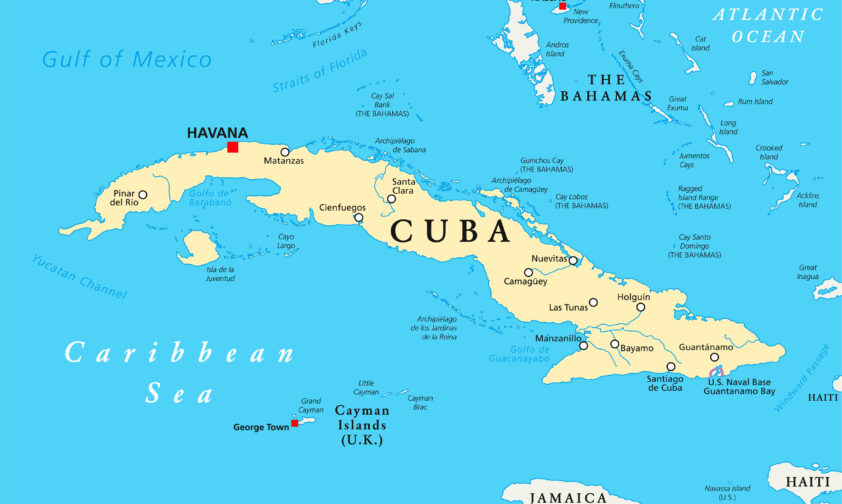
After 60 years, it’s time to rethink U.S. policy toward Cuba
Washington has spent more than six decades trying to pressure Cuba’s government into major political change.
The main tool has been the U.S. embargo, first imposed in 1962. In practice, that means broad limits on trade, investment, travel, banking, and other economic ties between the United States and Cuba.
Presidents have tightened or loosened those restrictions over time. But the basic strategy has remained the same.
Cuba’s regime has held on.
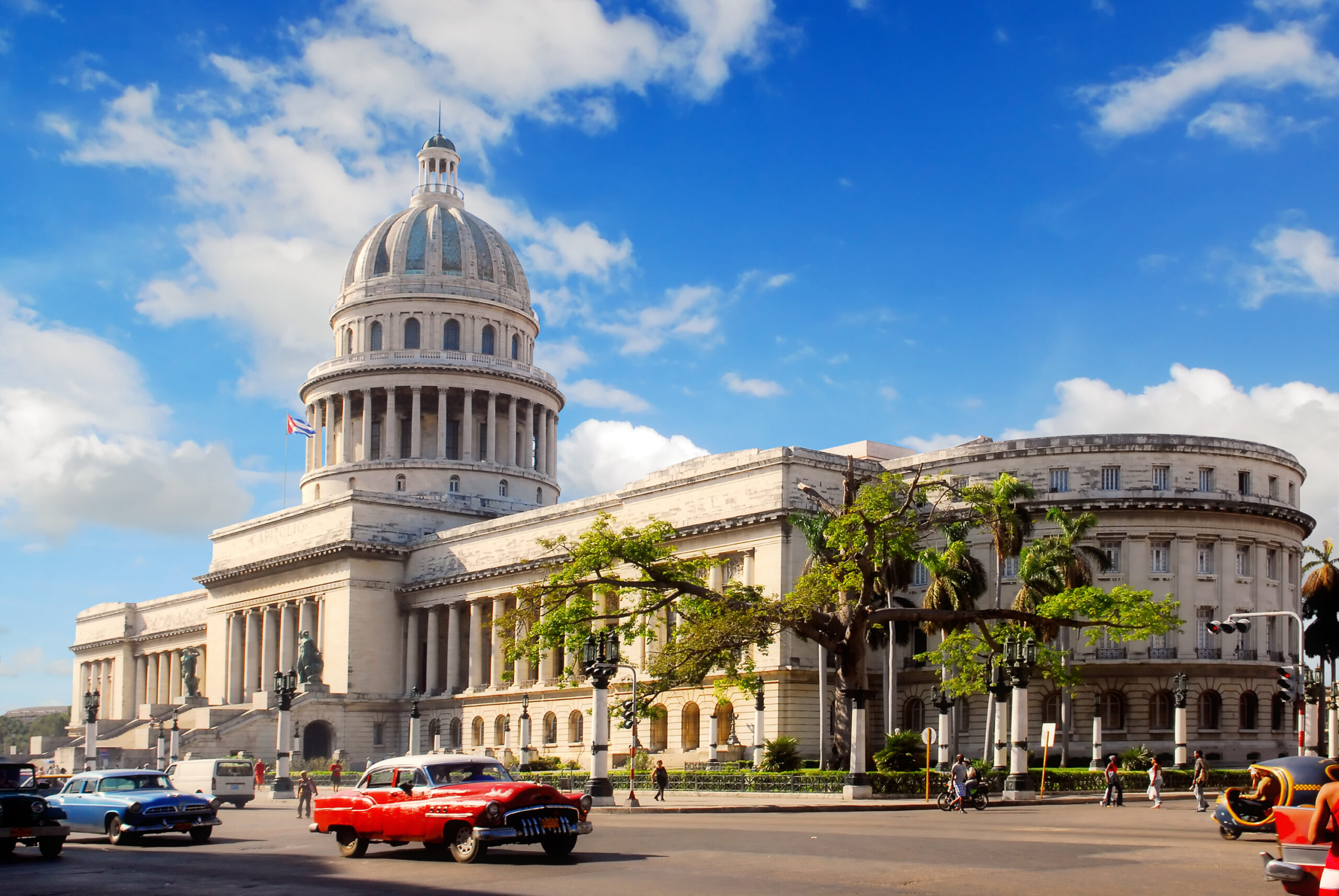
That raises a simple question: Is this policy advancing American interests?
CVA recently brought together experts on Cuba and U.S. foreign policy to examine that question. Their warning was clear: More pressure ― or military action ― could create serious costs without delivering the outcome Washington wants.
A strategy that has failed to deliver
Supporters of sanctions often argue that enough economic pain will force Cuba’s leaders to change course.
Embargos are a type of sanction that specifically restricts trade. They often limit access to:
- Banks
- Trade
- Travel
- Oil and other energy sources
The problem is that the pressure often falls hardest on ordinary people.
Cuba’s government has survived decades of U.S. restrictions. Meanwhile, families face shortages of fuel, electricity, medicine, and food.
That doesn’t mean Cuba’s leaders are blameless. Their own failed policies have done enormous damage.
But, as we’ve seen, pressure is not a strategy by itself. A serious policy needs a clear goal, a realistic path to achieve it, and an honest measure of the costs.
And, as our panel pointed out, this policy negatively affects us, too.
A deeper economic collapse will have negative repercussions here at home.
If conditions worsen, Cuba could face unrest, a breakdown in public order, and a larger wave of dangerous migration across the Florida Strait.
The embargo also carries economic costs for Americans.
Estimates suggest it costs U.S. businesses between $700 million and $1.2 billion in lost revenue each year. A more open trading relationship could also create up to $1 billion in annual agricultural exports for American farmers.

Military action would create more problems
The panel also considered what a U.S. military intervention might mean.
The United States could defeat Cuba’s conventional forces. But winning the first fight would be the easy part.
The harder question is what comes next.
An occupation could require tens of thousands of American troops and last for years. Washington could also face pressure to repair failing infrastructure and meet the basic needs of millions of Cubans.
Those troops would come from active-duty units, the National Guard, and the reserves. Many would leave behind families, employers, and local communities.
And what vital American interest would justify that cost?
Cuba’s government is authoritarian and hostile to basic freedoms. But disapproving of another country’s political system is not the same as facing a direct threat that requires war.
CVA’s foreign policy framework calls for matching America’s goals with the resources needed to achieve them.
Military force should be reserved for clear threats to vital national interests, not used to chase political outcomes that decades of pressure have failed to produce.
A stronger policy starts with realistic goals
Rethinking Cuba policy does not mean approving of its government or ignoring human rights abuses.
The United States and Cuba have cooperated before on practical issues, including migration and drug trafficking. That shows there is room for limited engagement even when the two governments strongly disagree.
Washington could build on that.
Direct talks could focus on migration, political prisoners, drug trafficking, economic access, and concerns about Russian or Chinese influence. Greater trade and diplomatic contact could also give Cuba more reasons to work with the United States instead of relying on its rivals.
None of that guarantees immediate reform.
But it offers a more realistic path than expecting economic collapse to produce a clean political outcome ― or asking American service members to solve a problem that diplomacy might manage at far lower cost.
The real question is whether U.S. policy should be driven by results or political grandstanding.
Watch CVA’s full policy panel below, then learn more about how Washington can rethink foreign policy.
Related Content
Which branch has the power to declare war in the United States?
Iraq Withdrawal Ends an Overextended Mission and Refocuses American Interests