What George Washington can teach us about strength and restraint
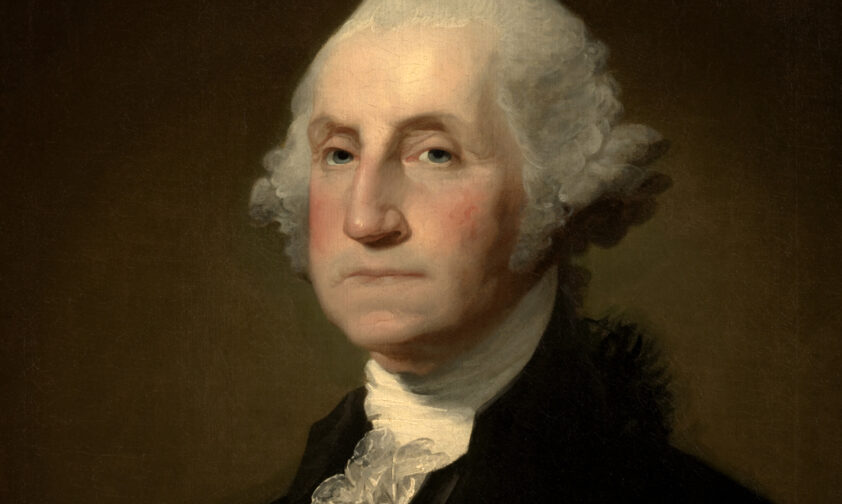
Few Americans fought more to shape America than George Washington.
He fought for independence, presided over the Constitutional Convention, and became the first president to put that new system of government into practice. But Washington also spent much of his life around war, and those experiences shaped how he thought our country should use its power.
He remains a great example of courage and restraint to this day.
Washington learned about war the hard way
Washington’s military career began in the early 1750s when he was a young Virginia officer sent into the Ohio Country as tensions grew between Britain and France.
He was brave and ambitious. He was also inexperienced.
He started a needless conflict with France and ended up losing badly. This loss would inform his future decisions as a soldier ― and eventually as commander in chief during the American Revolution.
Washington kept learning.
He served under British Gen. Edward Braddock and later commanded the Virginia Regiment during the French and Indian War. Those years taught him about leadership, logistics, shortages, and how quickly military plans can go wrong.
Then came the American Revolution.
Congress named Washington commander –in chief of the Continental Army in 1775. He helped force the British out of Boston, but his next major campaign almost ended in disaster.
Washington made serious mistakes defending New York in the summer of 1776. He divided his forces and allowed British troops to get behind the Americans. His army suffered a major defeat and barely escaped.
His big breakthrough came on Christmas night 1776 when he and his men crossed the Delaware River and defeated a Hessian garrison at Trenton.
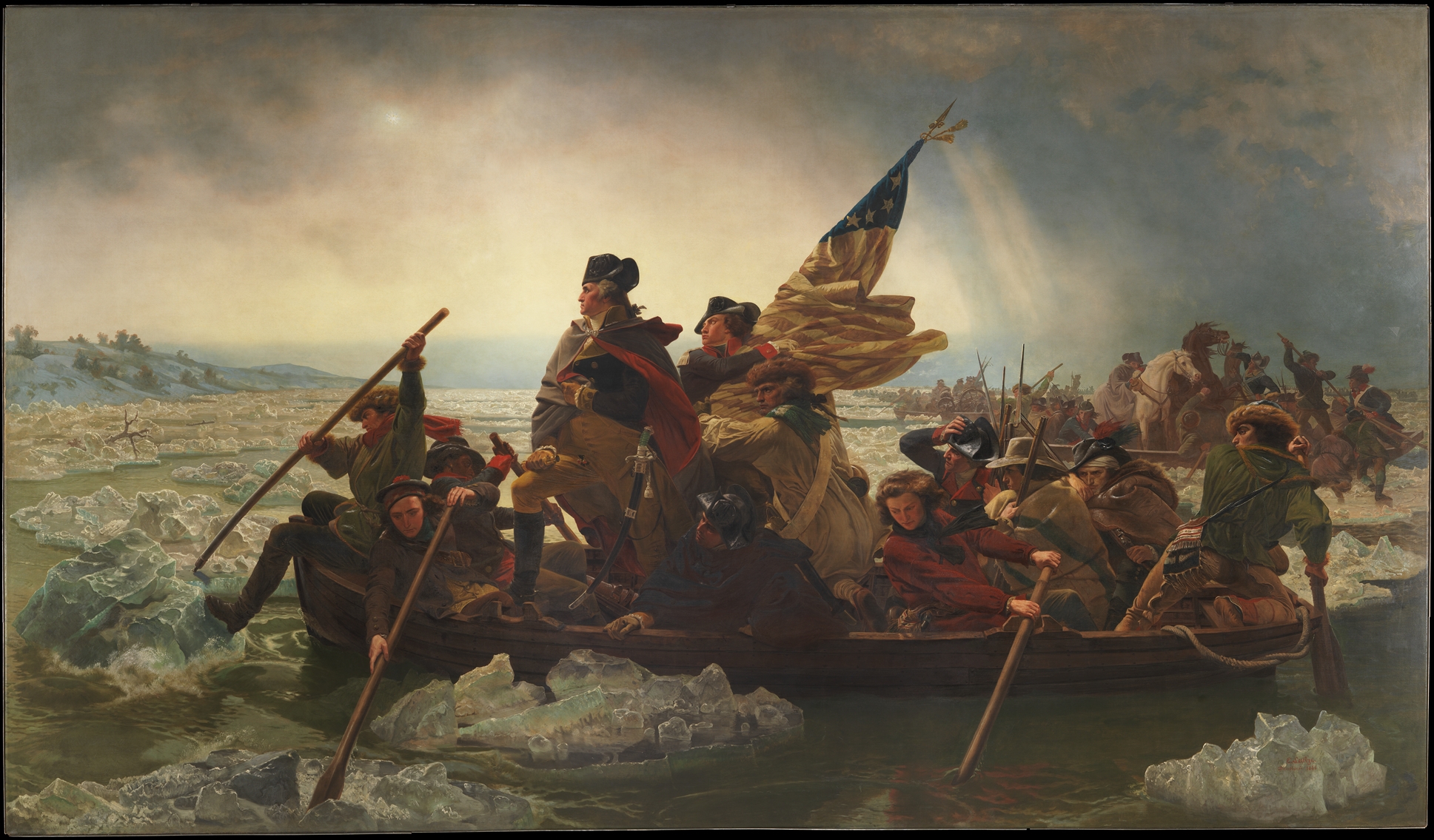
This victory gave the Continental Army a much-needed morale boost they would need to sustain them through an eight year war..
Why Washington warned against unnecessary wars
These arduous experiences help explain the warning President Washington gave Americans near the end of his eight years in office.
In his 1796 Farewell Address, Washington urged the country to pursue peace and good relations abroad while avoiding unnecessary involvement in other nations’ conflicts.
“It is our true policy to steer clear of permanent alliances with any portion of the foreign world.”
In other words, he wanted America to be strong enough to make its own decisions and avoid costly entanglements. The country, he wrote, should be able to choose “peace or war” based on its interests and idea of what is just.
That wasn’t weakness. Washington knew exactly what war could demand and wanted the new country to only pursue military force when it was absolutely necessary.
Washington’s lesson still matters
For much of the past 30 years, America has leaned heavily on military force to deal with problems abroad.
If they were operating under a Washingtonian foreign policy, our leaders would be able to answer a few basic questions for every military campaign:
- What vital U.S. interest are we protecting?
- What does success actually look like?
- Do we have enough resources and a realistic plan to succeed?
- Could diplomacy, economic pressure, or another tool work instead?
Those questions would help keep our military focused on the threats that matter most.
The Constitution gives Congress a role for a reason
Presidents from both parties have stretched decades-old war authorizations to cover missions Congress never specifically approved.
Bottom line: A strong America needs a strong military. It also needs judgment to know when not to use force.
That idea is central to ensuring veterans can Lead America Forward . Veterans and military families understand the cost of war firsthand, and their experience should help shape how America uses its influence around the world.
This month, join us in celebrating our Constitution.
Pledge to read the Constitution’s Preamble through September’s One Small Step toolkit.
Then you can dive deeper and read our report on Realism in Practice to learn how America can rethink foreign policy while keeping our country safe and our military strong.