Lasting peace with Iran is worth pursuing
Lasting peace is rarely achieved in a single meeting.
It takes difficult conversations, worthy compromises, and a willingness to keep negotiating even when key issues remain unresolved.
That’s why the recent memorandum of understanding with Iran is important.
The framework does not end the war, but it sets a course for continued negotiations and offers a chance to move the conflict away from military escalation and toward a durable peace.
Peace takes patience
The memorandum does not resolve every dispute between the United States and Iran.
It provides a process for addressing the issues that helped fuel the conflict. Negotiators still need to work through key areas of disagreement, like:
- Iran’s uranium enrichment program
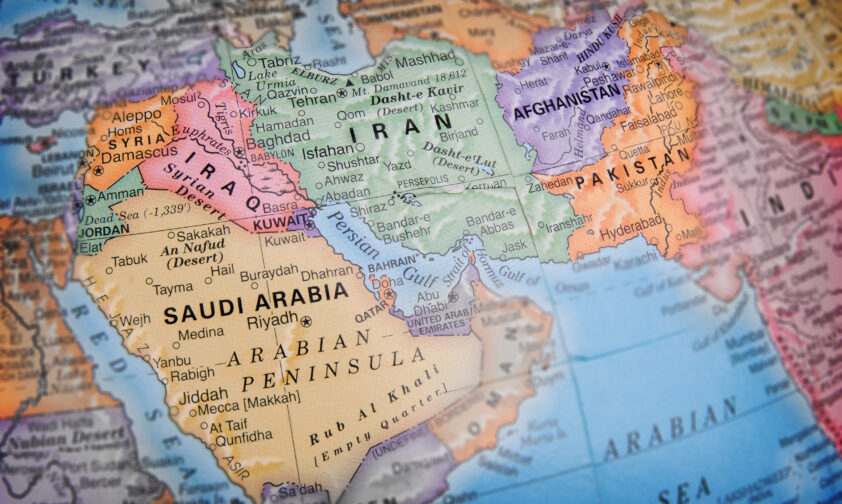
- Regional security concerns across the Middle East
- The future of safe transit through the Strait of Hormuz
Additionally, actions by any party that increase tensions, undermine trust, or create pressure for renewed military operations could threaten the progress made so far.
Wars overseas reach American families
Just because the war is taking place in a foreign country doesn’t mean it doesn’t have a large impact at home.
The recent war with Iran quickly affected American families because more than one-quarter of the world’s seaborne oil moves through the Strait of Hormuz. When fighting disrupted that route, roughly 14 million barrels of oil per day were removed from global markets.

The effects spread quickly.
- Americans paid an estimated $60 billion more for gasoline, or about $490 per household.
- Container shipping rates more than doubled, increasing the cost of imported goods.
- Fertilizer prices surged nearly 80%, putting additional pressure on American farmers and food prices.
Those costs reached kitchen tables and businesses across the country.
Higher fuel prices increased transportation costs. Businesses paid more to move products. Farmers paid more to grow crops. Families eventually paid more at the grocery store and the gas pump.
Peace helps families, workers, businesses, and consumers.
Endless wars affect American readiness
The war affected the country in more ways than one.
Operation Epic Fury demonstrated America’s extraordinary military capability, but it also consumed large quantities of munitions and equipment that will take years to replace.
More than 1,000 Tomahawk missiles were reportedly used during the conflict. Significant portions of other missile-defense inventories were also expended. Pentagon officials have estimated direct operational costs at roughly $29 billion, and replenishing some capabilities is expected to take several years.
America can rebuild those capabilities, but the better question is whether additional costs are necessary when diplomacy remains possible.
Why we support diplomacy moving forward
Military action should have clear objectives and a realistic exit strategy. Those principles remain important today, especially as we exhaust our defensive capabilities in conflicts far from home.
There are still real obstacles to peace in the Middle East, but we welcome legitimate efforts by both sides to ease tensions and avoid further bloodshed while allowing the global oil market to recover.
Because whenever there is a genuine opportunity to reduce violence, protect American troops, preserve military readiness, and avoid another prolonged conflict, the United States should pursue it.
If you believe America needs a foreign policy that protects our national interests without drawing us into endless wars, join us and tell Congress it’s time for a different approach ― one built on peace through strength, clear objectives, and responsible diplomacy.