Thomas Nelson Jr.: A veteran who took steps for liberty
For nearly 250 years, Americans have carried freedom forward. Not all at once, and not without risk. But step by crucial step, through the courage of individuals willing to act when America’s future demanded it.
That’s the idea behind Lead America Forward, our part of the One Small Step campaign. This joint celebration, with Americans for Prosperity and The LIBRE Initiative, will honor America’s founding principles and key moments on its 250th anniversary.
At Concerned Veterans for America, we especially value the men and women who have taken steps to lead the country forward, both on the battlefield and at home.
Soldiers, veterans, and their families understand the cost of freedom firsthand.
One Small Step is about everyday Americans choosing to act because a free country depends on citizens who take part.
A veteran and public servant
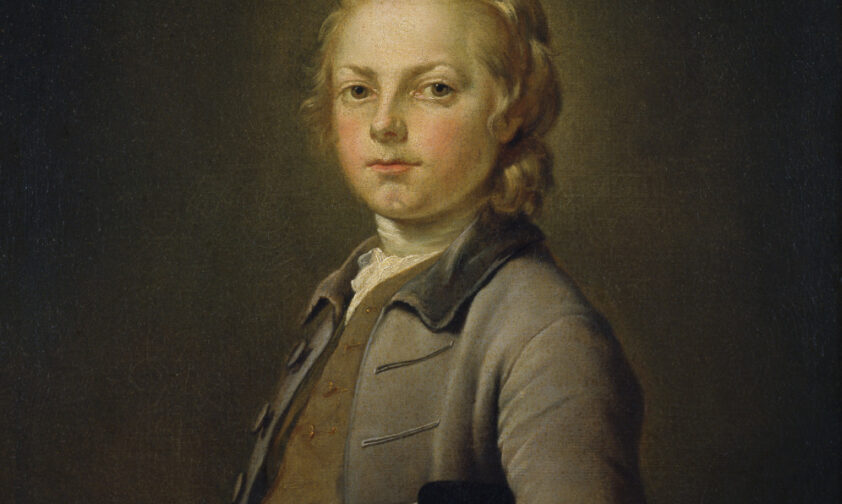
Thomas Nelson Jr. wasn’t just a Founding Father. He was a soldier, a public servant, and a Virginian who risked everything for our independence.
Born in 1738 into a well-known Virginia family, Nelson could have lived a quiet, comfortable life. Instead, as conflict with Britain grew, he chose liberty.
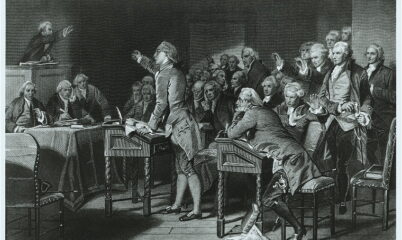
He served in Virginia’s colonial legislature in 1776 and was a signer of America’s Declaration of Independence. He also represented Virginia in the Continental Congress, where leaders debated whether to break away from British rule.
As the Revolutionary War broke out, he returned home and joined the fight, serving as a brigadier general in Virginia’s militia. He helped recruit troops, gather supplies, and defend the state as British forces moved south.
In 1781, during one of the war’s most dangerous moments, Nelson was elected governor of Virginia while still serving as a general for Virginia’s militia.
Late in the war, troops under General Charles Cornwallis took control of Yorktown and used private homes as military headquarters, including a house that belonged to Nelson’s family.
He knew British officers were inside and ordered American artillery to fire on it. He looked on as his house was destroyed.
Nelson paid a heavy price for independence, but he knew that the sacrifice was worth it, as it was key to weakening the British position before their surrender at Yorktown only weeks later.
That’s what leadership looked like in America’s founding: putting the cause of liberty ahead of personal comfort.
After the war, his health declined, worn down by years of strife and sacrifice. He served briefly again in Virginia’s government and died in 1789 at only 50.
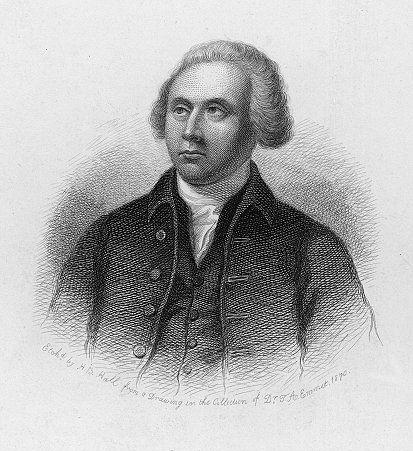
He never regained the fortune the war took from him, but he left behind a free country and liberty for future generations to embrace.
“When in the course of human events …”
The Declaration of Independence isn’t just a document. It was an act of rebellion and a proclamation of liberty.
Its message still applies today.
America’s founders pledged to uphold each other’s natural rights to:
- Life
- Liberty
- The Pursuit of Happiness
These weren’t guaranteed as colonial citizens of the British Empire and were relatively unique to the United States at the time.
The founders knew that freedom depended on recognizing these natural rights ― and the willingness of ordinary citizens to defend them.
You don’t have to be a founder or general, risk your life, or commit treason. You just need to be willing to speak up and show up for liberty and America’s future.
That’s how America has always moved forward, through the actions of ordinary citizens.
Take one small step ― all year long
We encourage you to reflect on history and take steps to reignite the American Dream.
With our One Small Step monthly toolkit, you’ll receive educational resources, event ideas, videos, and other ways to get involved and make your voice heard.
Because America’s story isn’t finished. It’s still being written ― by us.
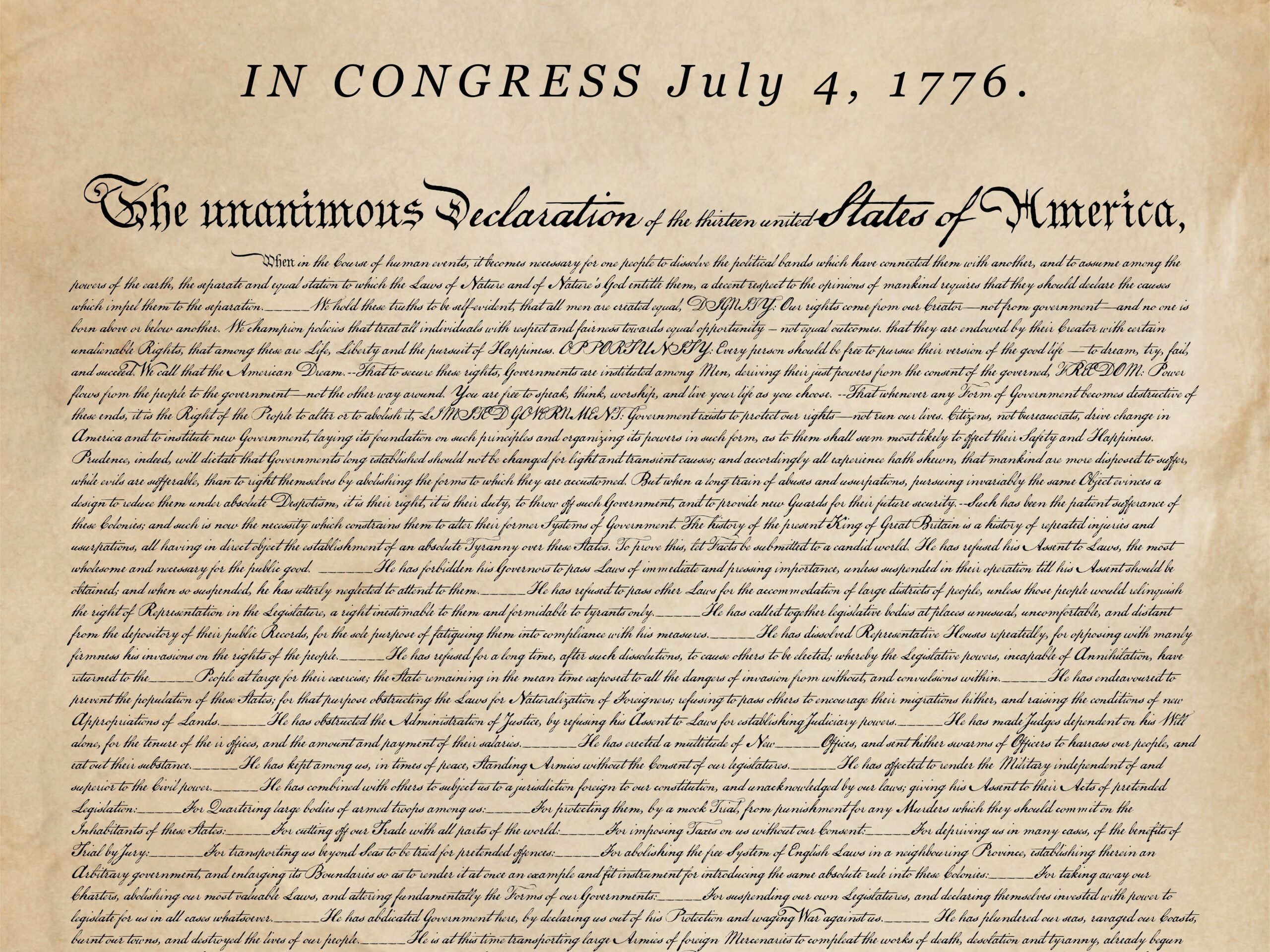
You can take your first steps in this campaign by signing a digital copy of the Declaration, lending your voice to our founding principles.
Thomas Nelson Jr. ― and other soldiers in the Revolution ― took their steps knowing the cost.
The least we can do is honor their sacrifice by understanding and upholding America’s founding principles.
Take One Small Step today:
Read and sign our digital Declaration of Independence.
Sign up to receive monthly toolkits and join the grassroots movement to celebrate America’s 250th.