
Two generations, one lesson from 9/11
There are many reasons we should remember September 11, 2001.
We remember the nearly 3,000 people who were killed that morning, the families who lost someone they loved, and the first responders who ran toward danger. We also remember the service members who answered the call in the years that followed, including those who gave their lives in the wars after 9/11.
John Byrnes and Matthew MacKenzie were both New Yorkers on 9/11. They experienced the tragedy very differently, but 25 years later, they both see a new path for America’s foreign policy.
John, Concerned Veterans for America’s strategic director, is a Marine veteran and former National Guardsman who responded at Ground Zero before later deploying to Iraq and Afghanistan. Matthew, a foreign policy analyst at Concerned Veterans for America, was a toddler in New York City on 9/11. He grew up hearing his parents talk about that morning and living through the wars that followed.
Their stories are different, but the years after 9/11 led them to the same lesson.
John and Matthew on September 11
John’s September 11 started with a morning swim and a class at Hunter College.
He stepped outside and noticed how nice the weather was. The sky was clear and blue.
After the sirens started, John heard from a classmate about the first plane ― those sirens never seemed to stop.
Later, after learning about the second plane, John ran out of class and headed to his unit’s nearby National Guard armory.
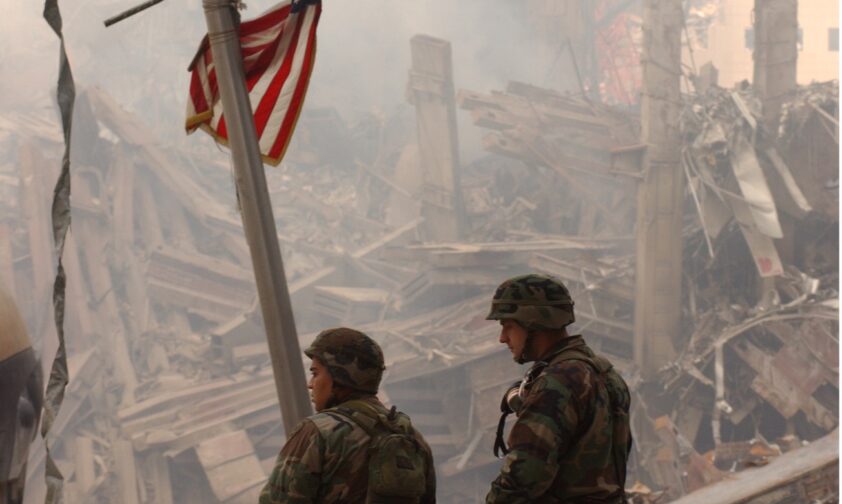
By that night, he was in Lower Manhattan, where he would spend the next two weeks helping secure Ground Zero.
He still remembers the smoke, the smell, and the carnage. But he also remembers soldiers at the armory calling a hospital to ask if they could donate blood and being told not to come because New Yorkers were already lined up around the block.
“Americans will always take care of each other,” John later wrote.
Matthew’s story is very different.
He was only a few miles away, sitting on a swing in Central Park.
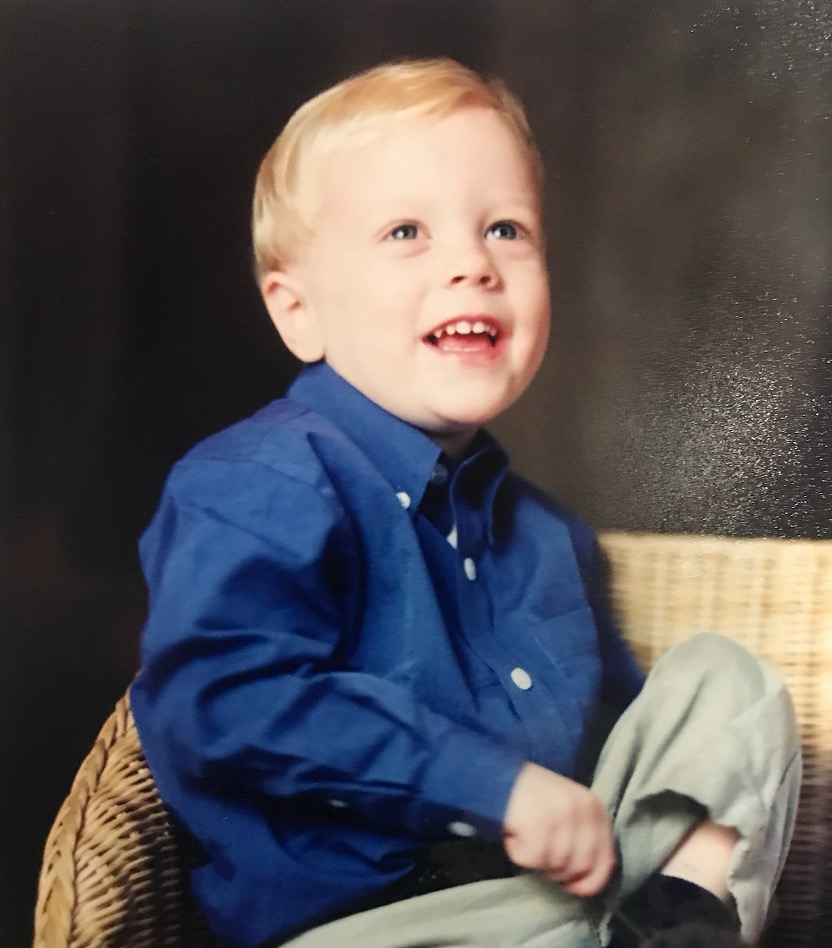
His mother had taken him and his infant sister out since the weather was so nice. His father was working in Lower Manhattan, saw the second plane hit the South Tower, evacuated, and started his long walk home to be with his family.
Matthew knows 9/11 through those stories ― what his parents experienced, and the loss of people they knew.
He knows firsthand what came next.
John’s view changed as the wars went on
John still believes America was right to go after the people responsible for 9/11.
Al-Qaida attacked the United States, and the Taliban government in Afghanistan gave it shelter. Going after those responsible was the right call.
At first, John also supported what came later.
He deployed to Iraq in 2004 and Afghanistan (below) in 2008. In both places, he saw corruption, societal division, violence, and how difficult nation-building could be.
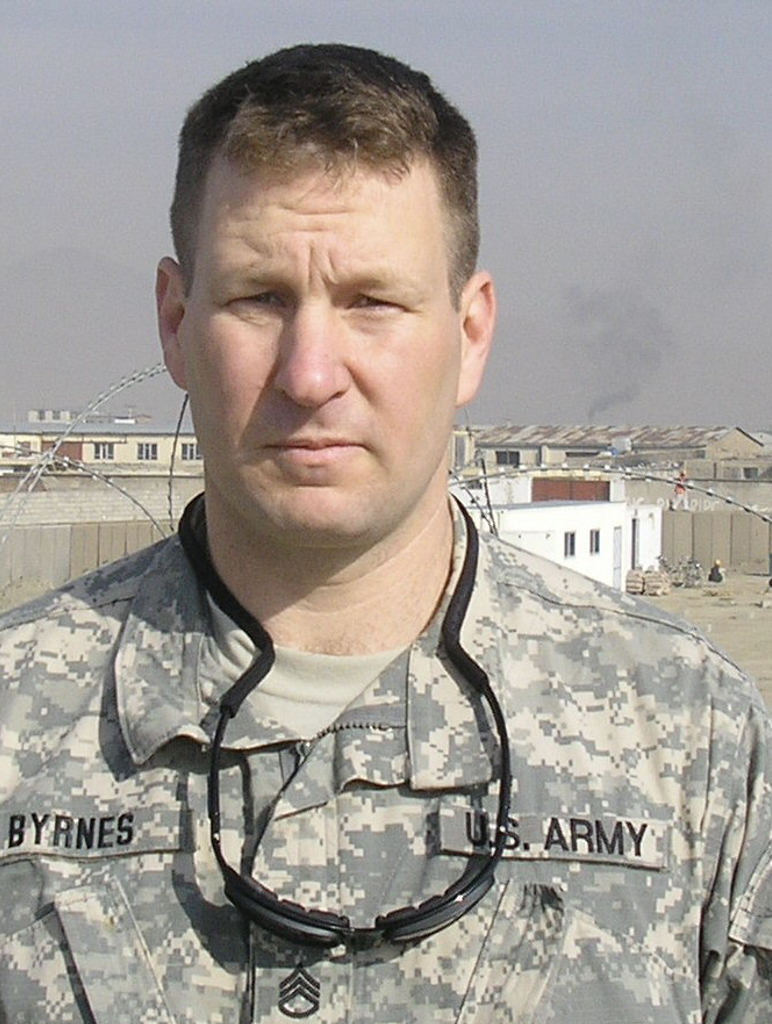
His thinking changed slowly.
When his goddaughter, who had been an infant around 9/11, turned 18, John found himself wondering whether another generation might be sent to fight the same wars he had fought.
That brought him back to a simple question: Was it worth it?
For John, the answer depends on which mission you mean. Going after the perpetrators of 9/11 was necessary.
Years of occupation, regime change, and nation-building went far beyond that mission.
Matthew witnessed how America reacted
Matthew came to the same conclusions from a very different starting point.
He was too young to remember 9/11 or have any say in the decisions that followed.
By the time he was old enough to understand politics, the wars in Iraq and Afghanistan, expanded surveillance powers, bigger military budgets, and a larger presidential role in national security were already part of the world he knew.
The Iraq and Afghanistan wars are over, but the United States still has bases and security agreements across the Middle East, along with the ongoing conflict with Iran.
The surveillance state did not simply disappear, nor did the idea that American security depends on staying deeply involved in conflicts far from home. Those ideas continue to dominate the political establishment.
That’s one reason our Rethink Foreign Policy project suggests that we ask basic questions before Washington goes to war:
- What are we trying to accomplish?
- How does it protect Americans?
- What will it cost?
- How will we know when the mission is over?
John came to those questions through years of service overseas. Matthew came to them by growing up in a country that seemed to no longer ask them.
Remembering 9/11 means carrying the stories forward
America should be ready to defend itself and go after those who attack our people.
September 11 showed why that strength matters. The years that followed showed how losing sight of a clear, limited mission can grow into decades of war and overseas commitments.
We remember those who were taken from us, those who ran toward danger, and those who served and sacrificed in the wars that followed.
If you or someone you know was at Ground Zero, served as a first responder, wore the uniform after 9/11, or had their life changed by that day, we’d love to hear your story.
If you’re comfortable, take a few moments to share how that tragic day impacted you or a loved one here.
And as we think about the lessons of the last 25 years, read more about how we can Rethink Foreign Policy and how America can stay strong while being more careful about when, where, and why we send troops into harm’s way.
Related Content
Concerned Veterans for America Endorses Rep. James Teeple for Re-Election to South Carolina House
Concerned Veterans for America Endorses Rep. Harriet Holman for Re-Election to South Carolina House