More than words: Patrick Henry and the fight for freedom
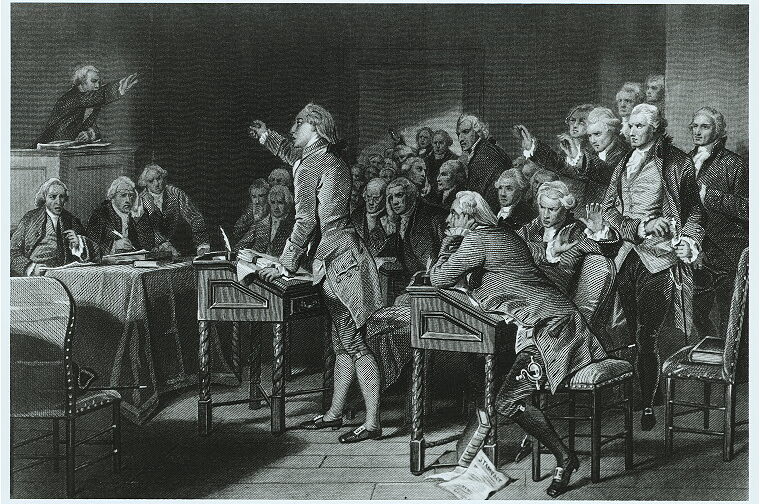
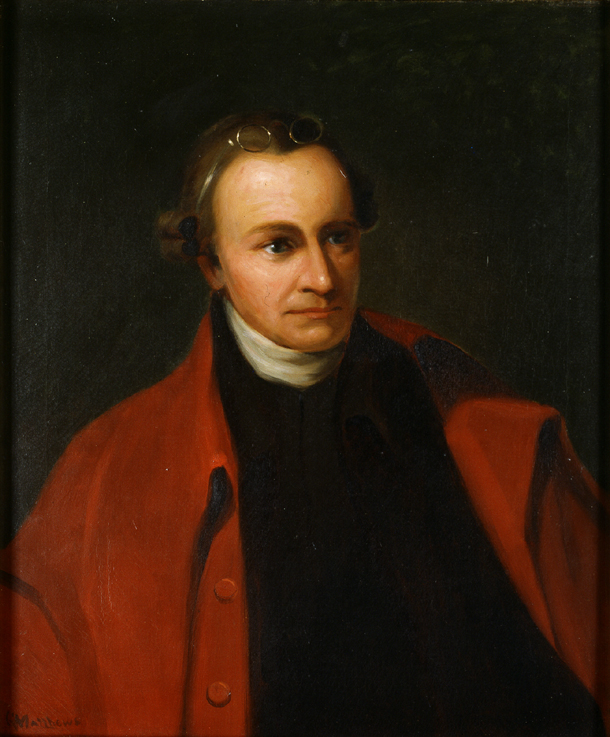
On March 23, 1775, Patrick Henry stood inside St. John’s Church in Richmond and made his case for independence.
British troops were occupying Boston. The king closed the ports and cut off trade. This meant merchants lost income, workers lost jobs, and families felt the strain. When colonists asked for relief, the king wouldn’t listen.
But many colonial leaders still wanted peace and reconciliation.
Henry believed that moment had passed, and he warned the Virginia Convention that British military preparations were pointing to war.
It was during this speech that Henry delivered his famous line, “Give me liberty or give me death.” It wasn’t meant to be empty poetry, but a decision point for colonial leaders.
His speech was effective. The convention voted to organize and arm Virginia’s militia.
Henry’s words were crucial steps that would lead America forward to independence.
From words to action
Patrick Henry didn’t just return home after his speech.
He helped make the Revolution a reality.
On April 20, 1775, one day after fighting began at Lexington and Concord, Virginia’s royal governor, Lord Dunmore, ordered British marines to seize gunpowder from the Williamsburg armory.
Without gunpowder, the colony couldn’t defend itself ― or fight for independence.
Henry responded immediately.
He gathered militia from Hanover County and began marching toward Williamsburg. At first, he only had about 150 men but more joined along the way.
These men were farmers, shopkeepers, and tradesmen, not professional soldiers.
They were everyday citizens, and their message was clear: Americans wouldn’t give up easily.
Even after Dunmore threatened to declare martial law and free slaves who joined the British, Henry and his militia held firm.
He was successful and forced the British to pay for the gunpowder they had stolen.
While there was no battle, a line was drawn. The king and his royal governor in Virginia learned that the colonists wouldn’t back down without a confrontation.
This event was considered the first armed conflict of the Revolution in the South and marked a real power shift from the British to the colonists.
Henry’s journey as a colonel
Soon after his successful confrontation with the British, Patrick Henry accepted a commission as colonel of the 1st Virginia Regiment.
In this position, he recruited troops, organized training, and prepared men for service.
He understood that liberty required action and readiness.
Later in 1775, Virginia forces defeated the British at the Battle of Great Bridge. Henry’s efforts to recruit, organize, and prepare men for service made this victory possible.
This battle marked Dunmore’s final defeat, and by early 1776, all British authority in Virginia had collapsed.
Henry then helped draft the Virginia Constitution and served as the state’s first elected governor.
Under his leadership, the following principles were clear:
- Liberty requires vigilance
- Self-government means participation
- Rights are secured when everyday citizens can defend them
Henry wasn’t a career warrior. He was a citizen who stepped forward when liberty demanded it.
One Small Step to Lead America Forward
Patrick Henry believed that freedom isn’t inherited by accident.
It is chosen, defended, and renewed when needed.

In the Spring of 1775, as the colonies stood on the brink of revolution and British troops occupied Boston, he advocated that the colonists take steps to defend their own freedom.
The idea that everyday citizens must secure their own liberty still holds true today.
Freedom survives when citizens participate, and even small steps can change history.
That’s why we’re remembering America’s 250th anniversary this year, to help every American take One Small Step to Lead America Forward.
This year, we’re asking you to stay informed, learn about the values that built America, and take action in your community where it counts.
Every month, we’ll highlight a different theme or principle related to America’s founding and send you activities through our monthly toolkit.
These activities are practical and meaningful and will connect you with each month’s theme.
This month, we urge our readers to record a short message answering, “Who in your life ― or in our history ― best embodies the fight for liberty, and what does their example mean for the freedoms we must defend today?”
Take a small step for liberty: Sign up for our monthly toolkit and stand up for freedom.