
How repealing outdated war powers is a win for America
You may have noticed that Washington has a bad habit of letting temporary measures become permanent fixtures.
That’s why it was a pleasant surprise when, last month, Congress voted to repeal the 1991 and 2002 Authorizations for Use of Military Force, or AUMFs, in the 2026 National Defense Authorization Act.
It’s a rare step toward accountability and restraint.
What the NDAA and AUMFs are
The NDAA is Congress’ yearly defense bill. This massive piece of legislation sets major defense policy agendas, authorizes programs, and organizes and guides the military in how to spend its money.
An AUMF is a specific law that gives the president legal authority to use military force in a particular situation. Essentially, it enables the president to wage war without a formal declaration.
These authorizations were designed to be temporary and limited.
But of course, that’s not what happened.
Why this is a huge win
We’ve pushed to end outdated AUMFs for years.
Not because we want a weak America.
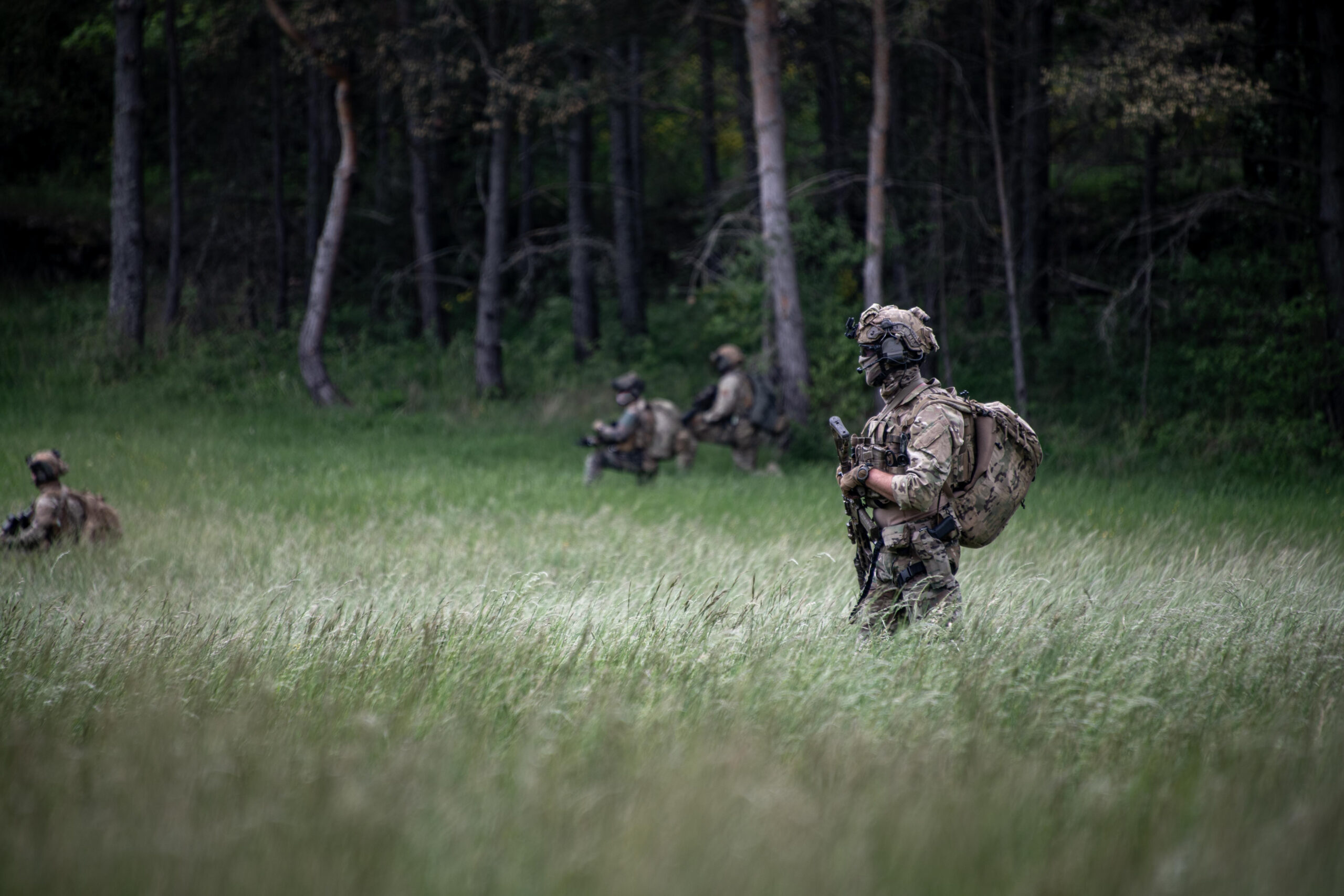
Because when they don’t expire, the authorizations can be stretched far beyond their original purpose, leading to mission creep, vague objectives, and forever wars.
Our heroes are willing and able to defend the country against its enemies as needed. The problem is that for decades, Washington has relied on military force as the go-to solution, even when other tools could work better.
The results of that mindset are hard to ignore:
- Massive spending that crowds out other needs and adds to the ballooning national debt
- Thousands of American lives lost ― and many more with mental and physical scars
- A military stretched thin due to constant rotations overseas
Tools like diplomacy, prioritization, and working with regional partners can keep Americans safe while not needlessly putting our troops in harm’s way.
We know that war is sometimes necessary, but Congress should have the courage to declare war when it deploys our sons and daughters.
While there’s still work to be done, repealing these AUMFs helps push war-making decisions back to Congress, where they belong.
What this means for soldiers and families
This isn’t an abstract idea.
Going to war means committing real sons and daughters, mothers and fathers to kill and be killed in another country.
One of these soldiers is Jimmie Smith, Brand Development Director for Concerned Veterans for America.

Jimmie served in the U.S. Army with the 101st Airborne Division during the Gulf War. His deployment overlapped with the 1991 AUMF in response to Saddam Hussein’s invasion of Kuwait.
The mission’s objective was quickly met with the defeat of Hussein, but the AUMF still remained in place decades later.
The 1991 authorization is an unfortunate example of what these open-ended AUMFs can lead to.
When Congress ducks responsibility, troops bear the risk.
And this risk isn’t hypothetical.
Just a couple of weeks ago, three Americans ― including two Iowa National Guardsmen ― were killed in Syria. This is a reminder that Americans are still being placed in harm’s way, without declarations of war.
That’s why every deployment should require clarity and strict timelines.
Repealing outdated AUMFs reduces the chance that service members are sent into danger under outdated justifications.
The fight’s not over
Despite these encouraging changes, we know the fight isn’t over.
The 2001 AUMF is still active, keeping thousands of America’s finest at risk.
Being strong means making hard choices, being realistic, and setting priorities.
The good news is that you can join the fight.
Since change starts with citizens who demand better, we lean hard into our volunteer army, an army that you can join.
Take 30 seconds to sign up and make a real difference by joining our grassroots army.
Dive deeper: Read CVA’s guide to foreign policy